
What Are Arabica Beans? | A Guide to the World’s Most Popular Coffee Bean
When browsing coffee labels or scanning café menus, you’ve likely come across the term Arabica. But, what exactly are Arabica beans—and why do they matter so much in the world of coffee?
Let’s take a deeper look at the origins of Arabica beans, how they differ from other types of coffee beans, the regions of the world where they’re grown, and why they’re considered the gold standard for quality coffee around the world.
The Origins of Arabica Coffee
Arabica beans come from the Coffea arabica plant, which is believed to have originated in the highlands of Ethiopia. From there, it spread across the Arabian Peninsula and eventually to Latin America, Africa, and Asia—regions that now produce the majority of the world’s Arabica coffee.
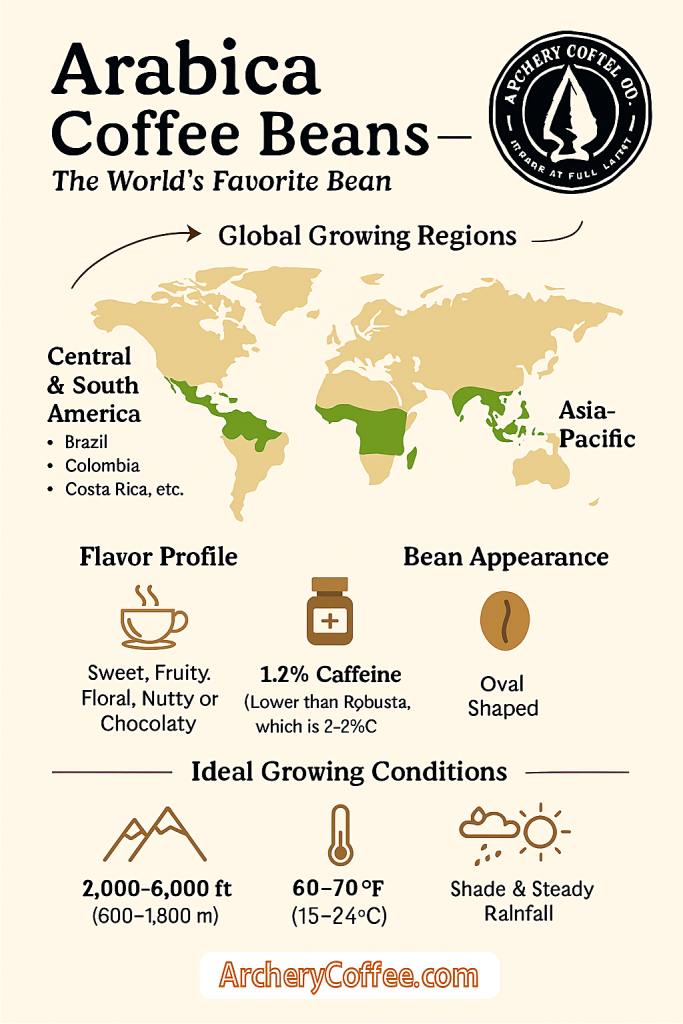
Arabica plants thrive in high-altitude regions with mild temperatures, rich soil, and ample rainfall. These specific growing conditions contribute significantly to the flavor and quality of the beans.
What Sets Arabica Beans Apart?
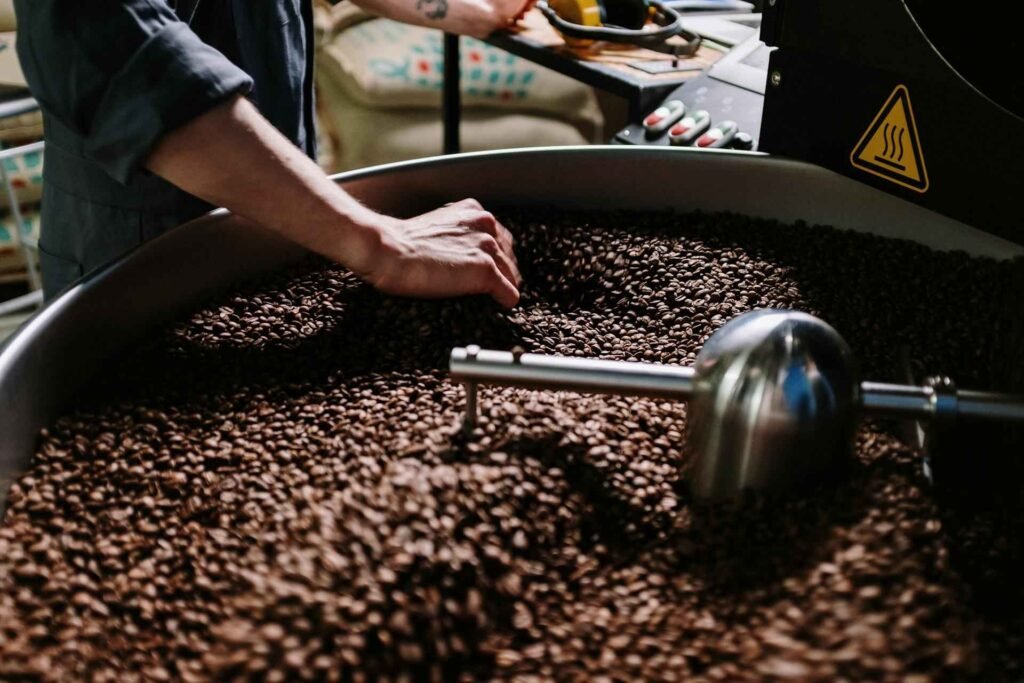
There are several characteristics of Arabica coffee beans that make them a popular bean of choice when looking to craft that perfect cup of joe…
There are four main types of coffee beans globally—Arabica, Robusta, Liberica, and Excelsa. Of these, Arabica and Robusta are by far the most widely produced and consumed. Arabica beans account for about 60–70% of global coffee production, and for good reason. Let’s take a closer look at some of the characteristics of Arabica coffee beans…
Flavor Complexity
Arabica beans are renowned for their nuanced flavor profile. Depending on the region where they’re grown, they can exhibit notes of fruit, chocolate, nuts, and floral undertones. The acidity is generally brighter and cleaner compared to other varieties, making for a more refined cup of coffee.
In contrast, Robusta beans tend to have a harsher, more bitter taste, often described as earthy or woody. While they contain more caffeine, they lack the delicate flavor characteristics that Arabica beans are prized for.
Lower Caffeine Content
Arabica beans naturally contain less caffeine than Robusta—about 1.2% compared to 2.2%. While that might seem like a disadvantage, it actually contributes to a smoother and less bitter flavor. So, if you’re looking for a smooth cup of coffee, Arabica is a top choice.
Aromatics
One of the first things you’ll notice when brewing Arabica coffee is its rich, enticing aroma. The aromatic complexity of Arabica beans is a hallmark of their quality, often including notes like caramel, berries, or floral hints that add depth of flavor.
Bean Shape and Appearance
Arabica beans are generally oval-shaped with a curved crease, whereas Robusta beans are rounder with a straight crease. While this might seem like a small detail, experienced roasters and buyers can identify bean type by sight alone—because appearance often correlates with quality and roast potential.
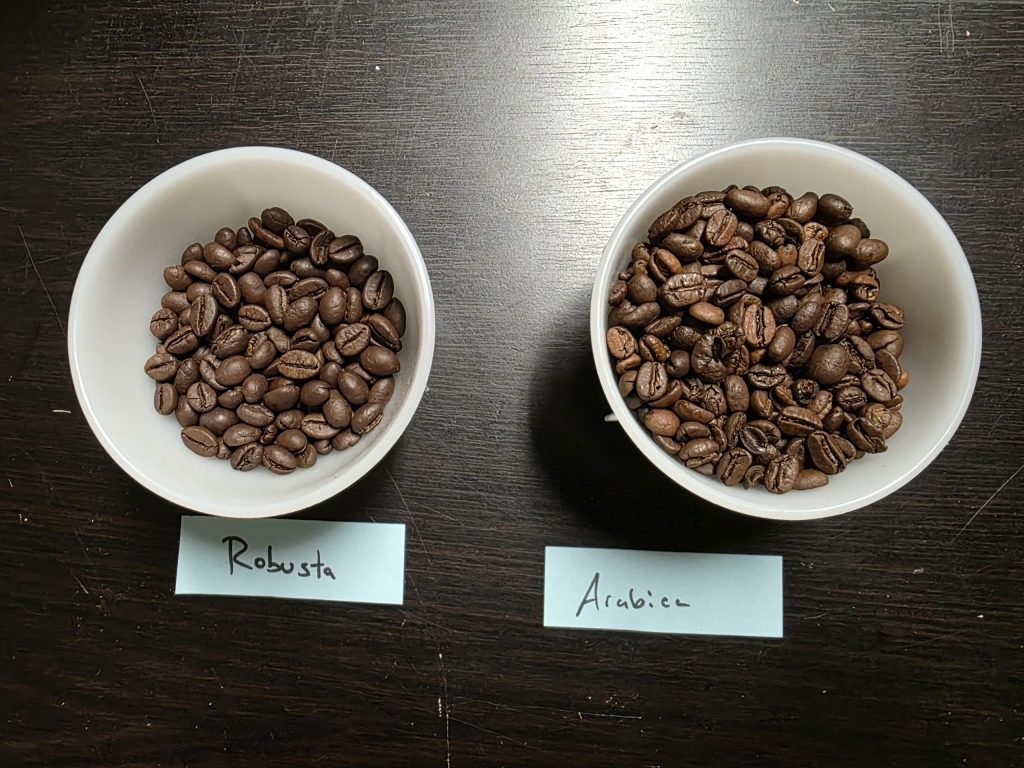
Arabica beans are more oval shaped than Robusta beans and also have a crease that is less straight than the Robusta.
Where Are Arabica Beans Grown?
Arabica beans are cultivated in some of the most beautiful and biodiverse regions of the world. These areas—often referred to as the “Coffee Belt”—lie between the Tropics of Cancer and Capricorn, where elevation, climate, and soil conditions are ideal for growing high-quality coffee.
Here are the major regions known for Arabica coffee production:
Ethiopia
Often called the birthplace of coffee, Ethiopia produces some of the world’s most unique Arabica beans. Ethiopian coffees are often fruity, floral, and complex—especially from regions like Yirgacheffe, Sidamo, and Harrar.
Colombia
Colombia is one of the top producers of Arabica coffee. Thanks to its high-altitude Andes mountain ranges and consistent rainfall, Colombian Arabica is well-balanced, medium-bodied, and known for its nutty, chocolatey, and fruity notes.
Brazil
As the largest coffee producer globally, Brazil grows both Arabica and Robusta, but Arabica dominates. Brazilian Arabicas tend to have low acidity, a smooth body, and flavors of chocolate, caramel, and nuts—perfect for espresso blends.
Central America (Costa Rica, Guatemala, Honduras)
These countries are known for their high-quality Arabica exports. Guatemalan coffees, especially from regions like Antigua, are rich and full-bodied. Costa Rican Arabicas are clean and bright with citrus and floral undertones.
Yemen
Arabica coffee has been cultivated in Yemen since the 15th century, making it one of the earliest adopters outside Ethiopia. Yemen’s dry-processing methods result in bold, complex, and sometimes wild flavor profiles.
Kenya
Kenyan Arabica beans are typically washed and have bright acidity, juicy body, and citrus-forward profiles. They’re especially prized in specialty coffee markets.
Other Notable Producers
- Peru – Mild and sweet Arabicas with great sustainability efforts
- Rwanda and Burundi – Floral and tea-like coffees with unique brightness
- Mexico – Grows primarily Arabica beans with chocolatey and nutty flavors
- India – Produces shade-grown Arabicas often used in specialty and blended coffees
Why Arabica Means Better Coffee
The superior taste and aroma of Arabica beans have made them the go-to for specialty roasters, high-end cafés, and coffee connoisseurs. While they are more delicate to grow—susceptible to pests and climate fluctuations—the reward is a bean that delivers elegance, complexity, and satisfaction in every cup.
Arabica’s higher sugar content results in a sweeter, more balanced brew that rarely needs additives. If you’re someone who enjoys your coffee black or loves to explore flavor subtleties, Arabica offers an unmatched experience.
The Downside: Cost and Sustainability
Arabica beans are more expensive to cultivate and harvest. Their lower yield and higher maintenance needs make them costlier than Robusta. Furthermore, climate change poses a growing threat to many high-altitude Arabica regions.
However, many growers and suppliers are investing in sustainable practices—from shade-grown farming to fair-trade certifications—to ensure both environmental and economic viability.
Final Thoughts
Arabica beans aren’t just a label—they’re a symbol of quality, heritage, and craftsmanship. Whether grown in the volcanic soil of Central America or the misty highlands of East Africa, Arabica beans reflect the unique terroir of their origin and the passion of those who produce them.
If you’re looking to elevate your coffee experience, Arabica beans are a great place to start. Choose responsibly sourced Arabica, experiment with different origins, and taste the world—one cup at a time.