

What Are Robusta Beans? Understanding Their Unique Place in the Coffee World
Coffee is more than just a morning ritual; it’s a global phenomenon that comes in countless forms, each with its own story. And, while there are a myriad of coffee bean types, the Robusta bean stands out as a bold, distinctive player.
But, what exactly are Robusta beans, and how do they differ from other coffee varieties? We’re going to dive in and and uncover the details on what makes Robusta beans unique and how they shape the coffee in your cup.
the basics of robusta coffee beans
Robusta beans, scientifically known as Coffea canephora, are one of the two primary species of coffee cultivated worldwide, the other being Coffea arabica, or Arabica. While Arabica often steals the spotlight for its delicate and smooth flavors, Robusta has carved out its own niche, prized for its resilience and robust character.
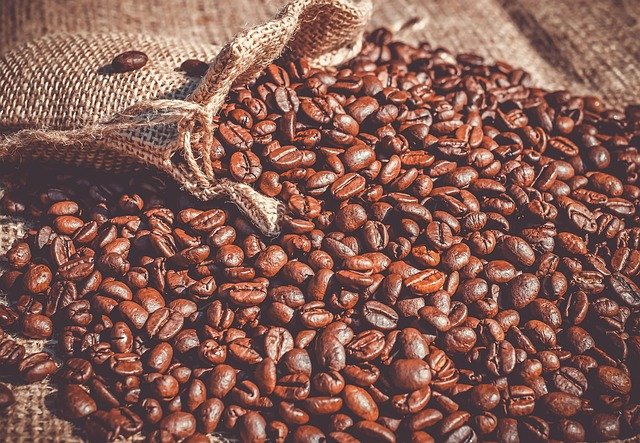
Originating in sub-Saharan Africa, particularly in regions like Uganda and West Africa, Robusta plants are hardy, thriving in conditions that might challenge the more delicate Arabica beans. Robusta beans grow at lower altitudes, typically between sea level and 2,000 feet, and are more resistant to pests, diseases, and harsh weather, making them a reliable choice for farmers in diverse climates.
What sets Robusta apart starts at the plant itself. The beans are smaller and rounder, than the elongated Arabica beans. Robusta beans also have a higher caffeine content, containing nearly twice as much caffeine as Arabica — typically around 2.2-2.7% compared to Arabica’s 1.2-1.5%. This higher caffeine level isn’t just a boost for your morning brew; it’s a natural defense mechanism, helping the plant ward off insects and diseases. For farmers, this resilience translates to higher yields and lower maintenance costs, which is why Robusta often finds its way into commercial coffee production.
How Robusta Differs from Other Coffee Beans
Beyond their botanical differences, Robusta beans are one of the types of coffee that stand out in flavor, texture, and application. While Arabica beans are celebrated for their nuanced, sweet, and low-acidic profiles—think floral, fruity, or citrusy notes—Robusta takes a bolder, more straightforward approach. The flavor of Robusta is often described as strong, earthy, and sometimes slightly bitter, with a grainy or oatmeal-like undertone. This intensity comes from a higher concentration of chlorogenic acids, compounds that contribute to both the bean’s bitterness and its antioxidant properties. For some coffee lovers, this robust profile is an acquired taste, while others appreciate its unapologetic strength.
Another key difference lies in the body of the coffee. Robusta beans produce a heavier, creamier mouthfeel, often with a thicker crema—the frothy layer you see on top of an espresso shot. This makes Robusta a favorite in espresso blends, where its full-bodied texture and ability to cut through milk shine. In contrast, Arabica’s lighter body and brighter acidity make it a go-to for pour-over or single-origin brews that highlight subtlety over power.
The processing of Robusta beans also sets them apart. While both Arabica and Robusta can be processed using wet (washed) or dry (natural) methods, Robusta is more often dry-processed due to its hardiness and the climates where it grows. This method, where the coffee cherry is dried whole before the bean is extracted, can impart a more rustic, earthy flavor compared to the cleaner, brighter notes of washed Arabica beans. However, high-quality Robusta producers are increasingly experimenting with wet processing to refine the bean’s flavor, challenging the stereotype that Robusta is inherently inferior.
The coffee Experience: Robusta vs. Others
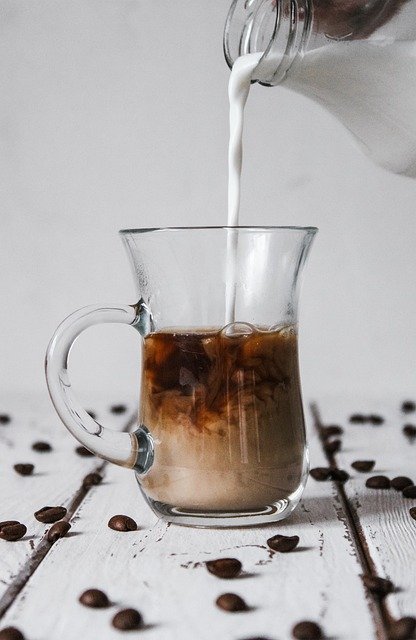
When you sip a cup of coffee made from Robusta beans, you’re in for a different experience than you’d get from Arabica or other varieties like Liberica or Excelsa. Robusta’s bold, intense flavor makes it a powerhouse in blends, particularly for espresso and instant coffee. Its higher caffeine content delivers a stronger kick, which is why you’ll often find Robusta in coffee designed for a quick, energizing jolt. In espresso, Robusta’s thick crema and full body create a rich, velvety shot that holds up well in cappuccinos or lattes, where milk can temper its bitterness.
Some may not prefer the assertive, and sometimes harsh flavor that coffee made from Robusta beans can produce. Robusta bean coffee can sometimes overpower more delicate palates, lacking the complexity and sweetness that Arabica brings to the table. This is why Robusta is rarely the star of single-origin coffees, though specialty roasters are starting to challenge this norm by sourcing high-quality, carefully processed Robusta beans that rival some Arabicas in nuance. These premium Robustas might offer notes of dark chocolate, nuts, or even subtle fruit, proving that with care, Robusta can in fact hold its own.
Compared to lesser-known varieties like Liberica, which has a woody, smoky profile, or Excelsa, which leans toward tart, fruitier notes, Robusta’s strength lies in its consistency and accessibility. It’s less finicky to grow and process, which makes it a staple in regions where coffee farming is a lifeline for local economies. This practicality doesn’t diminish its value; it simply positions Robusta as the workhorse of the coffee world, delivering reliability where other beans might falter.
Why Robusta Matters
Robusta beans may not have the prestige of Arabica, but they play a vital role in the global coffee industry. They’re the backbone of many commercial blends, providing structure, intensity, and cost-effectiveness. For coffee drinkers, Robusta offers a bold alternative, perfect for those who crave a strong, no-nonsense cup. Its versatility in espresso and its ability to stand up to milk and sugar make it a favorite in cafes and households alike.
As the coffee world evolves, Robusta is gaining new respect. Specialty coffee producers are exploring its potential, refining cultivation and processing techniques to unlock flavors that surprise even seasoned coffee enthusiasts. Whether you’re savoring a creamy espresso or a budget-friendly instant brew, chances are Robusta is working its magic behind the scenes.
So, the next time you enjoy a robust cup of coffee, take a moment to appreciate the humble Robusta bean. It’s not just a bean—it’s a testament to resilience, adaptability, and the diverse tapestry of flavors that make coffee such a beloved ritual.