
From Bean To Brew: Types of coffee explained
Walk into any café and you’ll hear a dozen orders: espresso, cappuccino, Americano, cold brew. But what do all those types of coffee really mean? Coffee is more than a drink, but a whole language of flavor, texture, and technique.
From the bean’s origin to the brew in your cup, every sip tells a story about craft, culture, and chemistry. You know that first sip that makes you pause? That’s where it all begins. We’ll explore coffee varieties that shape your morning drink, helping you savor your next cup with more intention.
The Two Main Types of Coffee Beans
Every journey through the world of coffee starts at the source: the bean. There are two main types of coffee beans—Arabica and Robusta—and each brings its own character to the cup.
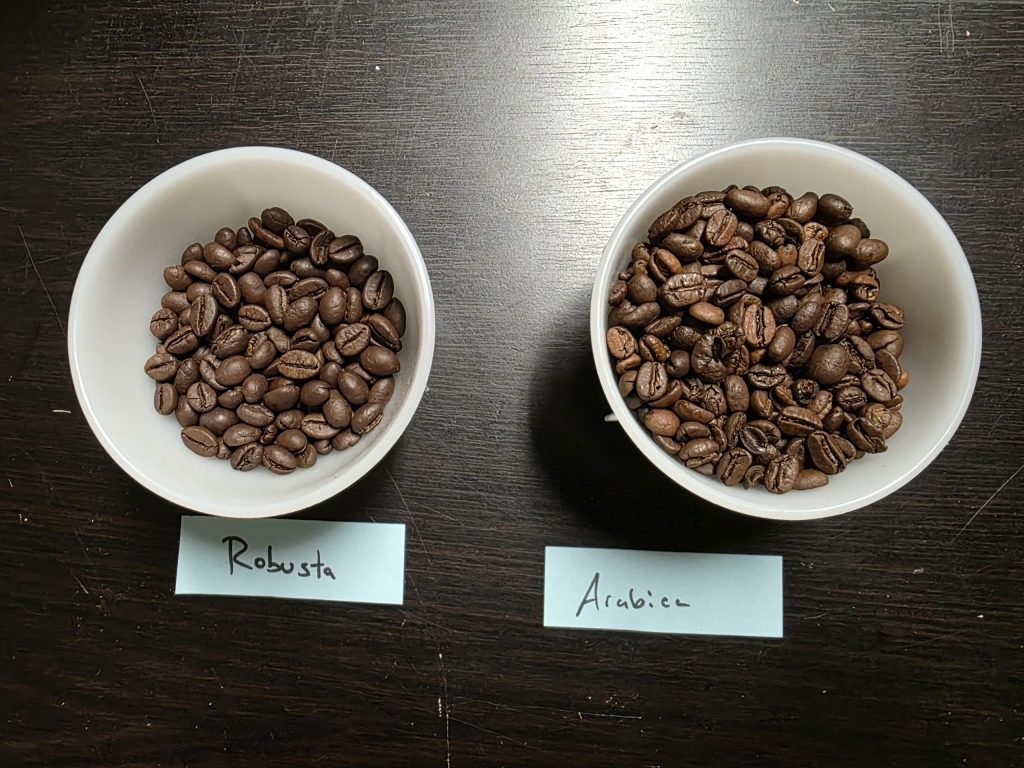
Arabica and Robusta are two of the most common coffee bean types.
Arabica (Coffea arabica) is known for its smooth, aromatic flavor and subtle acidity. It’s grown at higher elevations where cooler temperatures slow the ripening process, allowing more complex flavors to develop. About 70% of the world’s coffee is Arabica, prized for its gentle balance and layered notes that can range from floral to chocolatey.
Robusta (Coffea canephora), by contrast, packs a punch. It’s bolder, more bitter, and contains nearly twice the caffeine of Arabica. These beans grow at lower altitudes, often in Africa or Southeast Asia, where they thrive in heat and resist pests. Robusta is the backbone of many espresso vs coffee blends, giving them that strong crema and a satisfying edge.
There are also rarer coffee varieties like Liberica, cultivated in smaller regions but celebrated for their unusual profiles, from smoky to tart. Altitude, soil type, and even rainfall patterns all shape a bean’s flavor profile, affecting its body, aroma, and acidity.
How Roasting Defines Taste
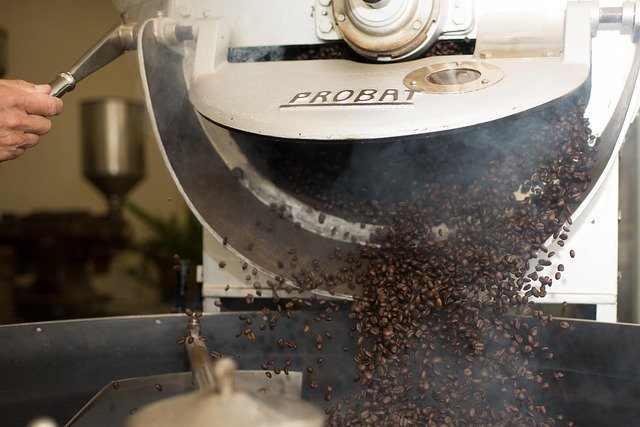
Before it ever hits your mug, it faces the fire. And that’s where the real magic starts. Roasting transforms green coffee beans into aromatic powerhouses, each roast type unlocking different flavors and caffeine levels.
- Light roast coffees keep more of their original bean flavor. They’re bright, fruity, and higher in acidity—ideal for those who like a crisp, nuanced cup.
- Medium roast strikes a balance: smooth, round, and familiar, it’s a crowd favorite for casual drinkers.
- Dark roast beans develop deep, smoky flavors and a bolder body, with a lower perceived acidity that feels rich and comforting.
Different coffee roast types appeal to different moods. Light roast for when you’re curious. A medium for when you need balance. Dark for when you need all the strength you can get. Roasting is a science and an artistry in flavor control.
How You Brew Changes Everything
Even the same bean can surprise you when it’s brewed a different way. The right brewing method is what transforms potential into perfection. Here are your options:
- Drip Coffee Maker: The classic. Convenient, consistent, and clean.
- Pour-Over (Chemex, V60): Manual precision that brings out bright, delicate notes.
- French Press: Bold and full-bodied, with a touch of natural oil that lingers on the tongue.
- Espresso Machine: High-pressure extraction that creates a rich, concentrated shot—pure coffee intensity.
- Cold Brew: Coarse grounds steeped in cold water for up to 24 hours, producing a smooth, chocolatey finish.
- AeroPress or Moka Pot: Compact tools that deliver barista-level results at home.
- Turkish Coffee: Unfiltered and thick, brewed in a small cezve and poured straight from the stove.
Grind size, water temperature, and even brew time make a big difference. Fine grinds extract faster; coarse ones need patience. Hotter water pulls bold flavors; cooler temps coax out sweetness. Mastering these brewing methods is how you find your own perfect coffee drink.
From Espresso to Latte: Popular Coffee Drinks Explained
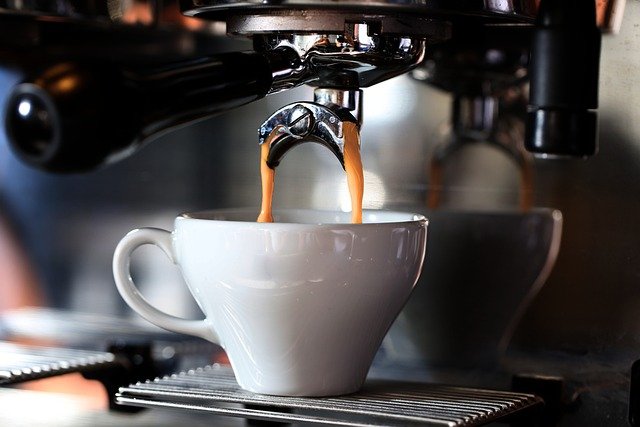
If roasting sets the tone, espresso sets the standard. It’s the base for most types of coffee drinks you’ll find in cafés worldwide.
- Espresso: A single ounce of pure, concentrated coffee topped with golden crema.
- Americano: Espresso mixed with hot water for a lighter, smoother taste.
- Macchiato: Espresso “marked” with a dollop of milk foam.
- Cappuccino: Equal parts espresso, steamed milk, and foam—a balanced classic.
- Latte: Espresso with more milk and just a whisper of foam, creamy and mellow.
- Flat White: Originating in Australia, it’s like a latte with silkier microfoam and a stronger coffee punch.
- Mocha: Espresso meets chocolate and milk for a dessert-like comfort cup.
They all start the same way—one shot of espresso—but end up tasting worlds apart. Foam insulates, milk softens bitterness, and water brings out clarity. Whether you’re sipping a rich cappuccino or a smooth Americano, you’re tasting the evolution of espresso in every form.
Around the World in a Cup

You’ll find that coffee culture shifts with every border: the air smells different, the roast looks darker or lighter, and the cup feels heavier in your hands. Every region has its own signature, delicious ritual:
- Turkish Coffee: Strong, unfiltered, and brewed with sugar for a syrupy finish.
- Café au Lait (France): Brewed coffee softened with steamed milk.
- Café Cubano (Cuba): A sweetened espresso shot that hits hard and fast.
- Vietnamese Iced Coffee (Cà phê sữa đá): Dark roast with condensed milk poured over ice—sweet, intense, refreshing.
- Café de Olla (Mexico): A spiced brew made with cinnamon and piloncillo sugar, rich with tradition.
These international coffee types prove coffee is more than flavor. Every cup carries the story of its people, their land, and their daily rhythm.
Modern Twists and Specialty Coffee Culture
Today’s coffee landscape blends innovation with tradition. Decaf coffee is made by getting rid of about 97% of the caffeine through methods like the Swiss Water Process, preserving natural flavor.
The rise of specialty coffee and third-wave roasters has shifted focus to traceability, ethical sourcing, and craftsmanship. Fair trade, shade-grown farms, and small-batch roasting are all efforts to respect both the farmer and the flavor, to celebrate coffee as an experience, not just a habit.
Blends and single-origin beans each serve a purpose. Blends balance flavor and consistency, while single-origin coffees highlight the distinct notes of one region.
Find What Fits Your Taste
There’s no single right way to drink coffee. Just the one that feels right to you. Try different types of coffee until you find what speaks to your taste buds. Light roast for early mornings. Cold brew for long afternoons. Espresso when you need focus. Pair your brew style with your mood, and you’ll start to recognize your rhythm in every sip.
Once you know a little bit more about the types of coffee that are out there, it’s hard not to appreciate what’s in your mug—and how far it may have traveled to get there. Explore the finest, slow-roasted coffee at ArcheryCoffee.com—your new favorite cup is waiting for you.