Where Do Coffee Beans Grow? | The Journey Behind Every Cup
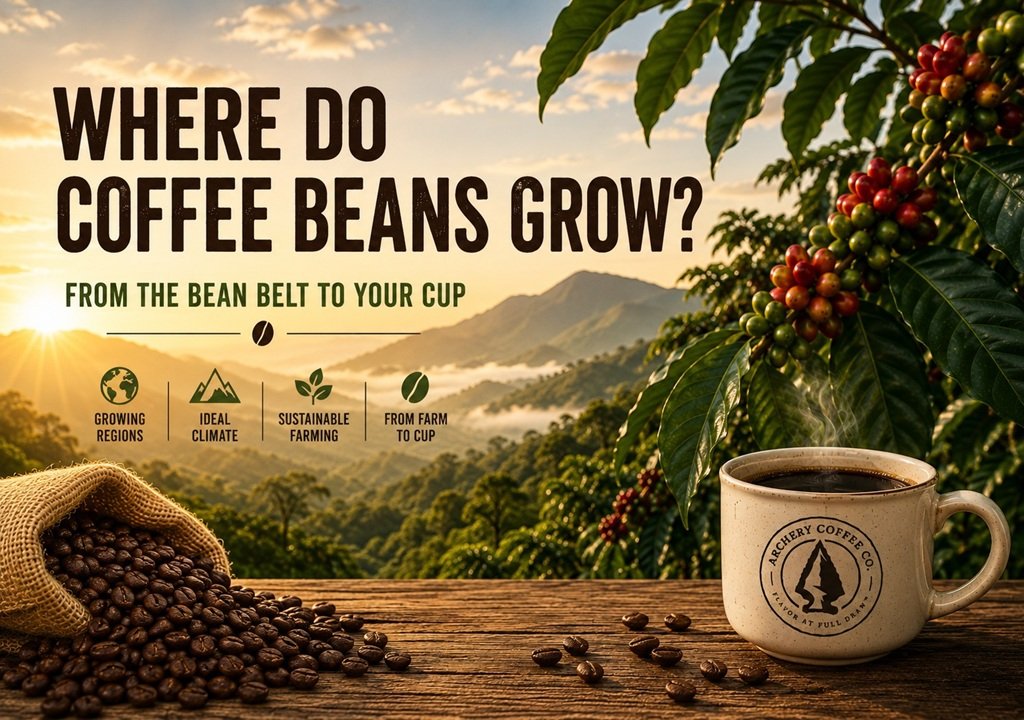
Coffee is one of the great simple pleasures in life. The rich aromas can gear you up to take on the world or help you unwind after a long day. But have you ever wondered where the beans that go into every delicious cup come from? Where Do Coffee Beans Grow? Coffee Production in the America Coffee Production in Asia Coffee Production in Africa Why Do Coffee Beans Need a Tropical Climate? Even a single freeze can destroy an entire crop, resulting in substantial losses for coffee farmers. Fortunately, regions near the equator rarely experience freezing temperatures. Ideal Coffee Growing Temperatures The Importance Of Wet And Dry Seasons Why Elevation Matters Can Coffee Beans Grow in the United States? Coffee Production In Hawaii Coffee Production in Puerto Rico Do Different Types of Coffee Beans Require Different Growing Conditions? Arabica Coffee Robusta Coffee Beans Excelsa and Liberica Coffee Beans From Bean To Beverage Experience Premium Coffee from Archery Coffee
Go Juice! | How Much Caffeine Is In Coffee?
Why Do Coffee Beans Have Different Amounts Of Caffeine? When you think of coffee, you usually expect it to have caffeine. In fact, a lot of people drink it just to get a bit of energy when they need it. But, knowing your coffee has caffeine and knowing how much are two different things. Arabica Beans As we briefly covered above, Arabica beans have a lower caffeine content, which is why they’re a great choice for both hot and cold drinks. Robusta Beans Robusta coffee beans have more caffeine than their arabica bean counterparts. HOnorable Mentions While Arabica and Robusta beans are the most popular choices for many coffee blends, they’re not the only options. Liberica and Excelsa are rare, but can be used in signature blends. Liberica beans are a great option for people who are more sensitive to caffeine but still want a little pick-me-up. An 8-ounce cup of Liberica has only 40 to 60 mg of caffeine and delivers a smooth, nutty flavor. Excelsa, which has recently been reclassified as a variety of Liberica, is another low caffeine option with about 86 to 113 mg in an 8-ounce cup. These beans are fruitier and more tart, with an earthy undertone. Choosing The Best Bean For Your Desired Caffeine Level
The Best Arrow Wraps | Why N-Tune products Outperform The Rest
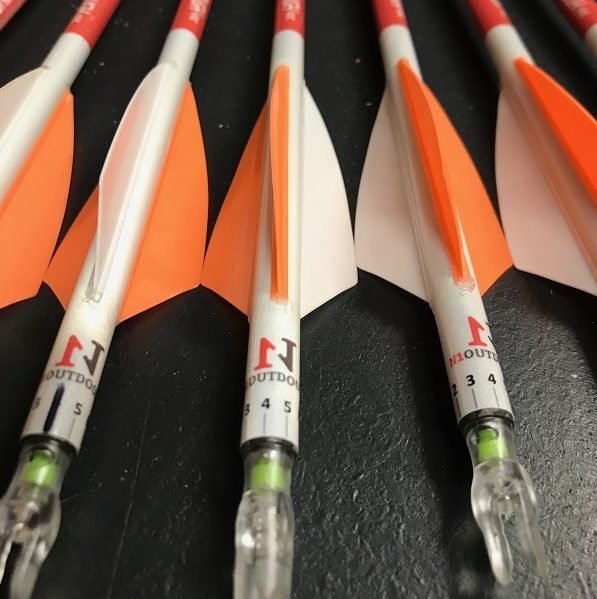
Better visibility, more consistent fletching, easier arrow tracking in hunting are some of the main considerations when trying to decide which wrap will win the privilege of being worn by your arrows! The reality is that most arrow wraps can help with each of those things. What Are Arrow Wraps? Arrow wraps are thin adhesive vinyl strips applied to the back of an arrow shaft before attaching vanes or feathers. why we think N-Tune arrow Wraps are the Best The N-Tune Arrow Wrap products all have what they call “8 Points of contact.” allowing you to make exact, incremental adjustments to the nock of the arrow during the process of nock tuning. remember to Look for These Features Most arrow wraps will certainly spice up the look of your arrow shafts, whether it be with unique designs, or bright colors. We learned that N-Tune products are not just wraps—they’re tuning tools. And, a well-tuned bow coupled with an arrow that has been tuned to perfection is a recipe for laser-like arrow flight and tighter groups. So, we’re big fans of the N-Tune Arrow Wraps and Tracers. They not only look awesome, they literally can help you shoot better.
Spot on! | Using The Right Amount Of Coffee For The Perfect Brew
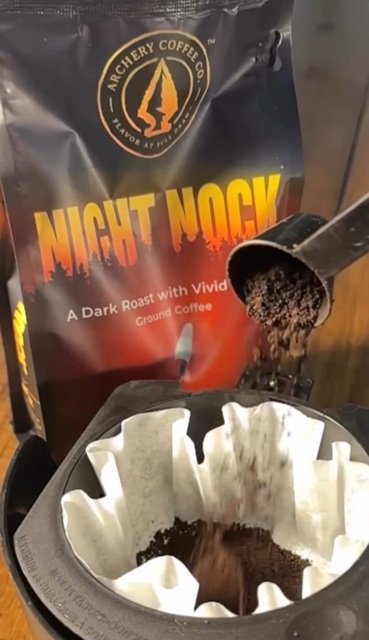
One question we get all the time is how much grounds should you use to brew well-balanced coffee? Well we’ve taken the guesswork out by creating this easy-to-follow guide that breaks down the measurements so you can enjoy perfection in every sip. Why Does Measuring Matter? How To Know How Much Coffee To Use Coffee Grounds Measurements Generally, when brewing coffee, your measurements are based on how many total cups of coffee you’re making. Here are the proportions for most standard coffee makers. Cups of Coffee Tablespoons Cups of Grinds Grams of Grinds 2 Cups 2 to 4 tablespoons ⅛ to ¼ cups 18 to 24 grams 4 Cups 4 to 8 tablespoons ¼ to ½ cups 40 to 60 grams 6 Cups 8 to 10 tablespoons ½ to ¾ cups 60 to 80 grams 8 Cups 10 to 12 tablespoons ¾ to 1 cup 80 to 100 grams 10 Cups 12 to 14 tablespoons 1 to 1 ⅛ cups 100 to 120 grams 12 Cups 14 to 16 tablespoons 1 ⅛ to 1 ¼ cups 120 to 140 grams Does The Type Of Roast Matter When Measuring Coffee? Brewing Tips Accuracy Matters If you want your coffee to taste the same day after day, you’ll want to stay consistent with your measurements. Avoid under- or overfilling your tablespoons and pay attention to the amount of water you use. Weighing Is More Accurate Adjust Based On Your Preference
How is Coffee Decaffeinated? Like this…
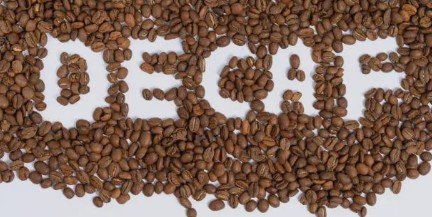
It’s quite possibly one of life’s greatest pleasures. It doesn’t matter if you’re drinking it cozied up on your couch or sitting next to a campfire, there’s just something so comforting about a nice cup of coffee. Of course, for a lot of people, coffee gives them a caffeine kick that gets them through their day. But, what if you can’t have caffeinated drinks and don’t want to give up this simple pleasure? That’s when it’s time to turn to decaffeinated brews. Decaf coffee gives you the flavor you love without the buzz. But, have you ever wondered how they get the caffeine out of the coffee beans without sacrificing flavor? In this article, we’ll break down the entire process of how coffee is decaffeinated. The Different Decaffeination Methods Before we get into the decaffeination process, let’s go over the most popular. The three most popular methods of decaffeination are solvent-based, the Swiss water process, and the Super Critical Carbon Dioxide method. Even though the methods may be different, each one uses green coffee beans before they’re roasted, allowing for the removal of around 97% to 99% of the total caffeine. Solvent-Based Methods The solvent-based decaffeination process uses chemicals like ethyl acetate or methylene chloride to remove at least 97% of the caffeine from the green coffee beans. There are two types of solvent-based decaffeination–direct and indirect. With the direct method, the solvents are applied directly to the beans, but with the indirect method, the beans are pre-soaked and separated from the water where the solvent is added. Here is the process: Swiss Water Process The Swiss water process is completely chemical-free and removes 99.9% of caffeine from the coffee beans. The beans go from caffeinated to decaffeinated in six steps. Supercritical Carbon Dioxide Method The supercritical carbon dioxide (scCO2) is nicknamed the “sparkling water” decaffeination process since it uses carbon dioxide to remove the caffeine from the beans. It’s a popular option since it protects the beans’ flavor and doesn’t use any toxic chemicals. no caffeine – no jitters! While the methods for decaffeinating coffee beans can differ, the result is the same: decaffeinated brews that taste great and won’t give you the jitters. Of course, the best cup of coffee starts with top-quality beans. Archery Coffee offers coffee that starts with farm-direct sourced beans that are roasted to perfection. Choose from a full range of light roasts to full-bodied dark roasts. Plus, Archery Coffee donates a portion of every sale to archery and outdoor education programs. So, whether you’re a casual coffee drinker, or an expert on the various types of coffee, you can not only enjoy a great cup of coffee, you can rest assured it’s from people who are passionate about archery, bowhunting, and the great outdoors!
Fresh-Brewed Outdoors | How To Make Coffee While Camping
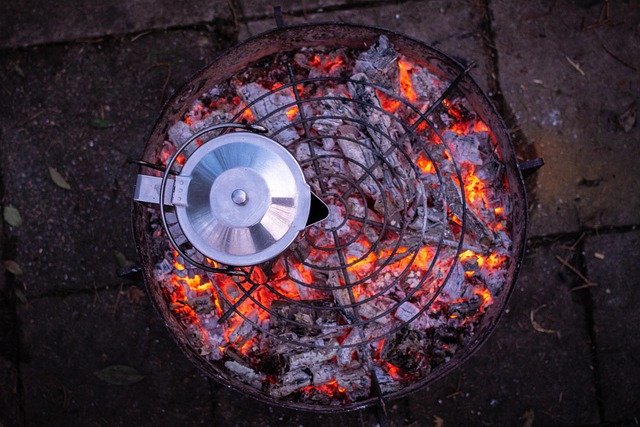
As the weather starts to warm, it’s time to grab the sleeping bag, set up the tent, and head out to your favorite campsite. Camping is undoubtedly a favorite pastime for those who enjoy being out in nature. Whether you’re hiking your favorite trail, out on a hunting expedition, or simply finding a quiet spot under the stars, it’s one of the best way to slow down, unwind, and enjoy Creation. But, even campers need to fuel up and get their caffeine fix. The question is, how do you make coffee while you’re camping? Fortunately, you can still enjoy your favorite coffee roast, even without electricity or a coffee pot. Let’s explore the best (and easiest) ways to create a delicious cup of coffee that wakes you up and gets your ready for whatever adventure awaits you.. Types of Portable Coffee Makers you can use while camping French Press A French Press is a portable coffee maker that brews through immersion. Simply place a few scoops of your favorite blend into the press, cover with hot water warmed on your campfire, and allow to steep for four to five minutes. If you enjoy a stronger brew, you can let it sit for up to seven minutes, while a milder flavor only requires three to four minutes. Once done, push down on the plunger to separate the grounds from the liquid. You now have a delicious, full-bodied cup of coffee to enjoy. A French press is great for camping since it’s compact and only requires hot water and ground coffee to operate. aeropress Many campers and backpackers turn to an Aeropress for coffee making on the go. It’s similar to a French press but more compact. And, the concept is the same. Place your ground coffee into the chamber and fill with hot water. Allow to brew around four to five minutes, depending on desired strength. Place the press on top of your mug and press down on the plunger. The Aeropress works by forcing the coffee through a metal or paper filter directly into your cup, perfectly separating it from the grounds. It’s the perfect companion to a high caffeine blend, so you can stay energized on the go! Coffee for bowhunters and archers! pour-over When you want to kick back and relax, a pour-over can be an ideal choice for making a hot cup of coffee while camping. Many people prefer this method because it’s similar to drip coffee, just without the electricity. You will need a dripper, paper filters, hot water, and a mug or coffee pot. Place the dripper on top of your mug or coffee pot, place in the paper filter, and add your desired amount of ground coffee. Then slowly pour hot water to fill, being careful not to let it overflow. The brew will slowly drip into the container, giving you a full-bodied, rich cup of coffee to enjoy. Pour-overs are a favorite since they’re simple and require minimal effort. They’re perfect for using with an intense dark roast to jumpstart your day or help you unwind at night. Moka Pot/ Percolator A Moka Pot is another option for making coffee while camping. This durable metal pot works using steam pressure, forcing hot water up through a bottom chamber where it mixes with the coffee grounds. The brewed coffee is collected in the top chamber, where it’s ready to drink. A Moka Pot is great for camping since you can set it up on a portable heat source, or even a campfire, and it doesn’t require constant tending. Pair it with a medium roast coffee for a balanced, flavorful brew you’ll look forward to waking up for. FAQs Let’s take a look at some frequently asked questions when it comes to making coffee during hunt camp or during other types of camping… What kind of coffee is best for camping? how do backpackers make coffee? What’s the easiest way to make coffee while camping?
How to Find The Perfect Coffee For Hunters and Outdoor Enthusiasts

There’s nothing like the first hot sip of a good cup of coffee. A bold, unapologetic brew that wakes you up and brings you to life. Whether you’re an archer, hunter, or someone who simply loves being outdoors, you don’t want to waste your time on weak, bland coffee. You need a drink that’s balanced and smooth, and thoughtfully crafted from top-quality beans that are roasted to perfection. So, let’s explore the best coffee for hunters and outdoor lovers that keeps you alert and ready to conquer whatever nature throws your way. To Bean or not to bean Every delicious cup of coffee starts with a high-quality bean. As the main ingredient, you can’t cut corners. Coffee roasts, like MAX fps, are made from Robusta beans and boast a higher caffeine content than Arabica beans. Acidity Levels Roasting The quality of the bean is the first step to creating an aromatic, flavorful cup of coffee, but the roasting process is equally important. After all, when creating a quality coffee for hunters, you need roasting levels that will bring out unique flavors. Medium roasting takes between 10 and 14 minutes, bringing out a balanced, smooth flavor from the bean. Medium roast coffee can have fruity and sweet undertones with hints of chocolate or caramel, depending on the acidity level. They’re a favorite among coffee drinkers who enjoy the taste of coffee without the hint of bitterness that darker roasts can develop. Common medium roast coffee includes breakfast blends and Colombian. Farming Practices How To Choose the right hunting coffee Do you like bold coffee? Will You Drink it Plain or with add-ins? The way you drink your coffee can also influence the type of roast you may enjoy. If you prefer to drink it black, a darker roast with a full-bodied flavor is a great choice, while a light or medium roast is great when adding milk or creamer. What caffeine level do i need? Will i drink it hot or cold? coffee for hunters… Why Archery Coffee? No matter which bean or roast you choose, the most important factor when picking the best coffee for hunters is the company that makes it. Archery Coffee crafts the finest slow-roasted coffee for exceptional smoothness and balance. Each roast is made with the archer, bowhunter and outdoor adventurer in mind. Plus, a portion of each sale goes toward outdoor and archery education programs.
From Bean To Brew: Types of coffee explained
Arabica and Robusta are two of the most common coffee bean types. How Roasting Defines Taste Before it ever hits your mug, it faces the fire. And that’s where the real magic starts. Roasting transforms green coffee beans into aromatic powerhouses, each roast type unlocking different flavors and caffeine levels. How You Brew Changes Everything From Espresso to Latte: Popular Coffee Drinks Explained If roasting sets the tone, espresso sets the standard. It’s the base for most types of coffee drinks you’ll find in cafés worldwide. Around the World in a Cup You’ll find that coffee culture shifts with every border: the air smells different, the roast looks darker or lighter, and the cup feels heavier in your hands. Every region has its own signature, delicious ritual: Modern Twists and Specialty Coffee Culture The rise of specialty coffee and third-wave roasters has shifted focus to traceability, ethical sourcing, and craftsmanship. Fair trade, shade-grown farms, and small-batch roasting are all efforts to respect both the farmer and the flavor, to celebrate coffee as an experience, not just a habit. Find What Fits Your Taste
What Are Robusta Beans? Understanding Their Unique Place in the Coffee World
Coffee is more than just a morning ritual; it’s a global phenomenon that comes in countless forms, each with its own story. And, while there are a myriad of coffee bean types, the Robusta bean stands out as a bold, distinctive player. But, what exactly are Robusta beans, and how do they differ from other coffee varieties? We’re going to dive in and and uncover the details on what makes Robusta beans unique and how they shape the coffee in your cup. the basics of robusta coffee beans Originating in sub-Saharan Africa, particularly in regions like Uganda and West Africa, Robusta plants are hardy, thriving in conditions that might challenge the more delicate Arabica beans. Robusta beans grow at lower altitudes, typically between sea level and 2,000 feet, and are more resistant to pests, diseases, and harsh weather, making them a reliable choice for farmers in diverse climates. How Robusta Differs from Other Coffee Beans The coffee Experience: Robusta vs. Others When you sip a cup of coffee made from Robusta beans, you’re in for a different experience than you’d get from Arabica or other varieties like Liberica or Excelsa. Robusta’s bold, intense flavor makes it a powerhouse in blends, particularly for espresso and instant coffee. Its higher caffeine content delivers a stronger kick, which is why you’ll often find Robusta in coffee designed for a quick, energizing jolt. In espresso, Robusta’s thick crema and full body create a rich, velvety shot that holds up well in cappuccinos or lattes, where milk can temper its bitterness. Why Robusta Matters
What Are Arabica Beans? | A Guide to the World’s Most Popular Coffee Bean
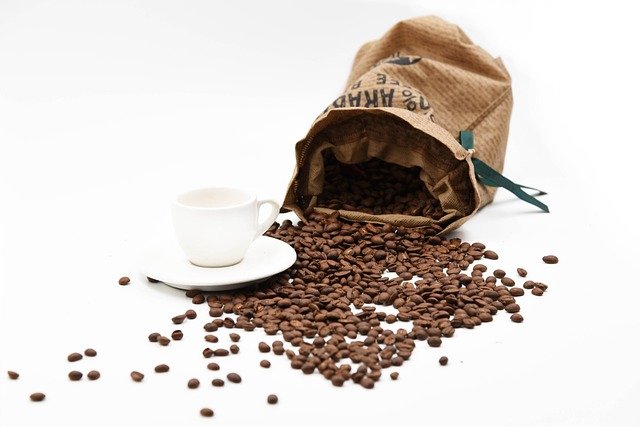
When browsing coffee labels or scanning café menus, you’ve likely come across the term Arabica. But, what exactly are Arabica beans—and why do they matter so much in the world of coffee? Let’s take a deeper look at the origins of Arabica beans, how they differ from other types of coffee beans, the regions of the world where they’re grown, and why they’re considered the gold standard for quality coffee around the world. The Origins of Arabica Coffee Arabica beans come from the Coffea arabica plant, which is believed to have originated in the highlands of Ethiopia. From there, it spread across the Arabian Peninsula and eventually to Latin America, Africa, and Asia—regions that now produce the majority of the world’s Arabica coffee. Arabica plants thrive in high-altitude regions with mild temperatures, rich soil, and ample rainfall. These specific growing conditions contribute significantly to the flavor and quality of the beans. What Sets Arabica Beans Apart? There are several characteristics of Arabica coffee beans that make them a popular bean of choice when looking to craft that perfect cup of joe… There are four main types of coffee beans globally—Arabica, Robusta, Liberica, and Excelsa. Of these, Arabica and Robusta are by far the most widely produced and consumed. Arabica beans account for about 60–70% of global coffee production, and for good reason. Let’s take a closer look at some of the characteristics of Arabica coffee beans… Flavor Complexity Arabica beans are renowned for their nuanced flavor profile. Depending on the region where they’re grown, they can exhibit notes of fruit, chocolate, nuts, and floral undertones. The acidity is generally brighter and cleaner compared to other varieties, making for a more refined cup of coffee. In contrast, Robusta beans tend to have a harsher, more bitter taste, often described as earthy or woody. While they contain more caffeine, they lack the delicate flavor characteristics that Arabica beans are prized for. Lower Caffeine Content Arabica beans naturally contain less caffeine than Robusta—about 1.2% compared to 2.2%. While that might seem like a disadvantage, it actually contributes to a smoother and less bitter flavor. So, if you’re looking for a smooth cup of coffee, Arabica is a top choice. Aromatics One of the first things you’ll notice when brewing Arabica coffee is its rich, enticing aroma. The aromatic complexity of Arabica beans is a hallmark of their quality, often including notes like caramel, berries, or floral hints that add depth of flavor. Bean Shape and Appearance Arabica beans are generally oval-shaped with a curved crease, whereas Robusta beans are rounder with a straight crease. While this might seem like a small detail, experienced roasters and buyers can identify bean type by sight alone—because appearance often correlates with quality and roast potential. Arabica beans are more oval shaped than Robusta beans and also have a crease that is less straight than the Robusta. Where Are Arabica Beans Grown? Arabica beans are cultivated in some of the most beautiful and biodiverse regions of the world. These areas—often referred to as the “Coffee Belt”—lie between the Tropics of Cancer and Capricorn, where elevation, climate, and soil conditions are ideal for growing high-quality coffee. Here are the major regions known for Arabica coffee production: Ethiopia Often called the birthplace of coffee, Ethiopia produces some of the world’s most unique Arabica beans. Ethiopian coffees are often fruity, floral, and complex—especially from regions like Yirgacheffe, Sidamo, and Harrar. Colombia Colombia is one of the top producers of Arabica coffee. Thanks to its high-altitude Andes mountain ranges and consistent rainfall, Colombian Arabica is well-balanced, medium-bodied, and known for its nutty, chocolatey, and fruity notes. Brazil As the largest coffee producer globally, Brazil grows both Arabica and Robusta, but Arabica dominates. Brazilian Arabicas tend to have low acidity, a smooth body, and flavors of chocolate, caramel, and nuts—perfect for espresso blends. Central America (Costa Rica, Guatemala, Honduras) These countries are known for their high-quality Arabica exports. Guatemalan coffees, especially from regions like Antigua, are rich and full-bodied. Costa Rican Arabicas are clean and bright with citrus and floral undertones. Yemen Arabica coffee has been cultivated in Yemen since the 15th century, making it one of the earliest adopters outside Ethiopia. Yemen’s dry-processing methods result in bold, complex, and sometimes wild flavor profiles. Kenya Kenyan Arabica beans are typically washed and have bright acidity, juicy body, and citrus-forward profiles. They’re especially prized in specialty coffee markets. Other Notable Producers Why Arabica Means Better Coffee The superior taste and aroma of Arabica beans have made them the go-to for specialty roasters, high-end cafés, and coffee connoisseurs. While they are more delicate to grow—susceptible to pests and climate fluctuations—the reward is a bean that delivers elegance, complexity, and satisfaction in every cup. Arabica’s higher sugar content results in a sweeter, more balanced brew that rarely needs additives. If you’re someone who enjoys your coffee black or loves to explore flavor subtleties, Arabica offers an unmatched experience. The Downside: Cost and Sustainability Arabica beans are more expensive to cultivate and harvest. Their lower yield and higher maintenance needs make them costlier than Robusta. Furthermore, climate change poses a growing threat to many high-altitude Arabica regions. However, many growers and suppliers are investing in sustainable practices—from shade-grown farming to fair-trade certifications—to ensure both environmental and economic viability. Final Thoughts Arabica beans aren’t just a label—they’re a symbol of quality, heritage, and craftsmanship. Whether grown in the volcanic soil of Central America or the misty highlands of East Africa, Arabica beans reflect the unique terroir of their origin and the passion of those who produce them. If you’re looking to elevate your coffee experience, Arabica beans are a great place to start. Choose responsibly sourced Arabica, experiment with different origins, and taste the world—one cup at a time.